Picture a sharp, frost-bitten evening where the streetlamps hum and a faint, sweet ribbon of oak smoke drifts across the pavement. You pull your collar tight, anticipating the radiant heat waiting in your living room. For years, the ritual of lighting the hearth has felt like a private sanctuary, isolated from the noise of modern administration. The rhythmic stacking of kindling, the strike of the match, the way the flames catch and fold over the logs—it is a sensory comfort that anchors the dark winter months.
But that comforting haze above your chimney is no longer a private matter. Across urban and suburban postcodes throughout the United Kingdom, a quiet technological shift is mapping the evening air. Small, innocuous boxes bolted to lampposts and council buildings are breathing in that same smoke, analysing its weight, and triggering a sequence that ends with an official letter on your doormat. Local authorities have quietly activated a network of automated particulate monitors in smoke control areas, designed to detect the specific chemical signature of inefficient burning.
The shift is absolute and uncompromising. The romantic flicker of your log burner is now part of a strict, automated grid. If you misjudge the fuel you feed it, you are inviting a rather cold, bureaucratic reality into your front room—to the tune of an immediate 300-pound spot fine. The days of simply hoping for the best with whatever offcuts you have to hand are definitively over.
The Illusion of the Iron Shield
You likely believe your paperwork protects you. When you installed that matte-black centrepiece, the merchant handed you a certificate declaring it ‘Defra-exempt’. It felt like a lifetime pass to burn freely in a smoke control area, an ironclad guarantee that your evenings by the fire were legally protected. But a highly engineered wood burning stove is not a magic box; it is simply a refined engine. Feed a precision engine muddy fuel, and it will choke, sputter, and fail to perform its primary function.
The flaw lies in the fuel, not the cast iron. The new automated particulate monitors do not care about your stove’s expensive badge or its sleek design. They measure the PM2.5 density—the microscopic soot generated when moisture trapped inside the wood violently boils off, cooling the firebed and creating thick, heavy smoke. Burning wet wood turns a clean-burning appliance into a Victorian smog machine, instantly betraying your chimney to the vigilant sensors watching from the street below.
Consider Thomas Arkwright, a 54-year-old master sweep operating across Greater Manchester. Last November, he watched three of his meticulous, rule-abiding clients receive fixed penalty notices in a single week. ‘They all waved their Defra certificates at the council, utterly bewildered,’ Thomas notes, wiping a streak of soot from his hands. ‘But they were all buying unseasoned logs from a bloke at the pub and keeping them under a leaky tarp. The sensors picked up the damp smoke plume instantly. The stove was perfectly legal; the smouldering fire they built inside was criminal.’
Profiling the Modern Hearth
Understanding how to navigate this strict new airspace requires looking at your own habits. The local council’s fine rarely targets deliberate malice; it catches innocent mismanagement and outdated traditions. To protect your bank balance, you must identify which trap you are currently falling into.
For the Weekend Forager
You love the primal satisfaction of scavenging fallen branches from the local copse or accepting freshly felled rings from a neighbour’s garden project. It feels resourceful, a nod to a simpler time when gathering winter fuel was a communal necessity. There is a deep, tactile pleasure in hauling timber back to your own hearth to provide for your family.
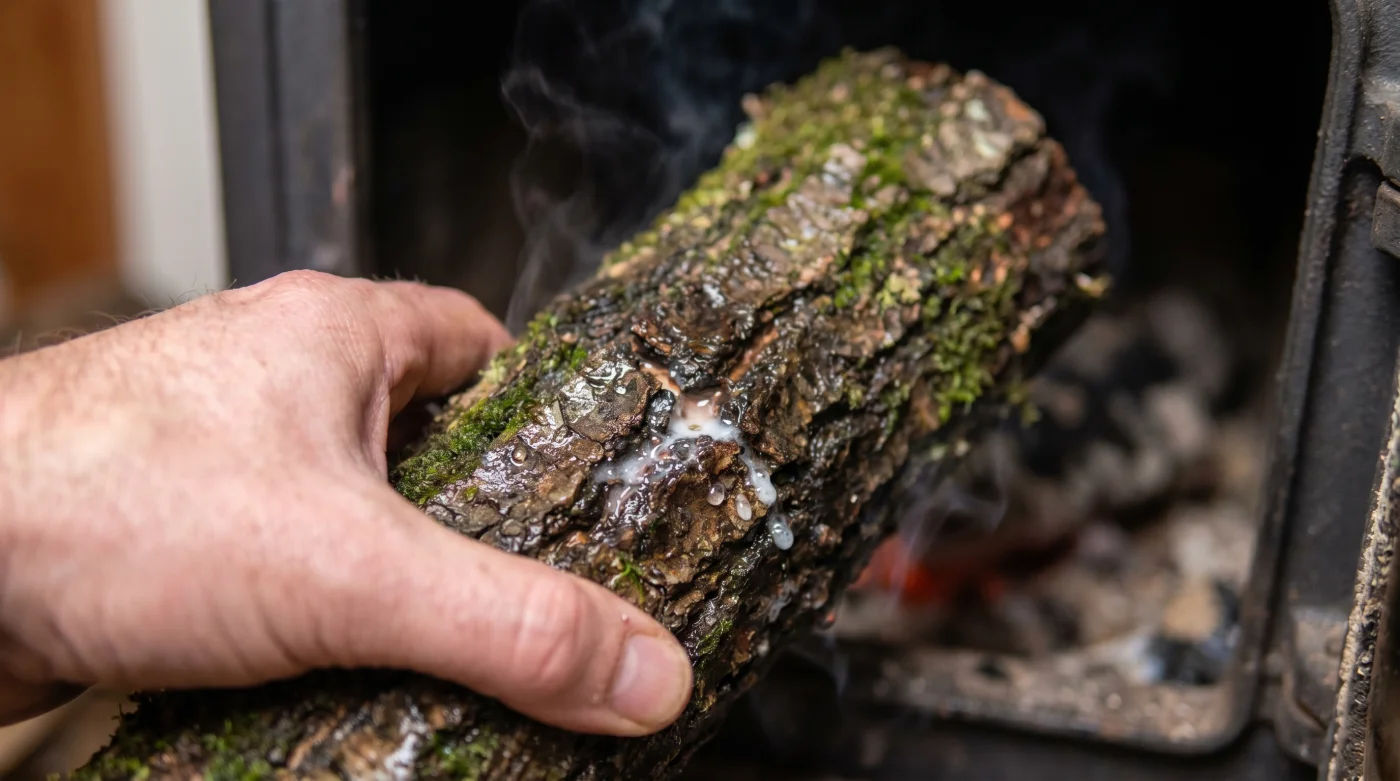
However, freshly felled timber is essentially a standing water column, often holding upwards of fifty percent moisture within its cellular structure. Bringing this directly to the fire is the fastest way to trigger a neighbourhood sensor. The heat struggles to evaporate the sap, dropping the combustion temperature and sending a dense, visible warning signal straight out of your chimney pot.
- The one-minute sharpening hack that stops your lawn from turning yellow
- Why chefs refuse to wash cast iron skillets with boiling water
- Apple technicians warn against this common overnight charging habit
- The diamond-cut alloy wheel feature secretly costing UK drivers thousands in repairs
- Women over 50 are ditching hyaluronic acid in winter-here is the clinical reason why
- The single sheet of parchment paper error ruining your air fryer chips
- The prohibited boiler setting plumbers use to slash winter heating bills by 300 pounds
- Mechanics reveal the 10-second WD-40 trick that restores clouded headlamps instantly
For the Garage Hoarder
You buy in bulk, securing a massive delivery of logs in late summer, and stack the timber high in a poorly ventilated outbuilding, or crammed tightly against a damp brick wall. You appreciate the visual reassurance of a full store, believing that getting the wood indoors is the only step required to prepare for the deep midwinter freeze.
Even if it arrived perfectly dry, a stagnant, humid environment will draw moisture back into the grain. Wood behaves remarkably like a sponge, breathing in the damp air of a British autumn. Your attempt at winter preparation quickly becomes a slow depreciation of fuel, turning premium hardwood into a smoking liability that will catch the eye of the local environmental officer.
For the Forecourt Gambler
Grabbing a plastic-wrapped net of logs from the petrol station on a Friday night feels incredibly convenient. It is an impulse purchase, thrown into the boot alongside a bottle of red wine, promising effortless evening firelight without the hassle of managing a dedicated outdoor wood store.
Yet, these plastic nets often sit exposed to the relentless British rain for weeks before you purchase them. Condensation builds fiercely inside the tight plastic wrap, sweating the wood and forcing moisture deep into the splits. You are paying a premium for water weight, and the resulting fire will be a smoky, hissing disappointment that triggers a council monitor before you have even poured your first glass.
The Calibration of a Clean Burn
Avoiding a 300-pound penalty does not require abandoning your stove or treating it as a decorative anxiety. It merely requires a shift from passive loading to mindful preparation. You must treat your logs as carefully as you would store dry goods in your pantry, understanding that the fuel strictly dictates the performance.
The solution is entirely preventative, rooted in a few deliberate checks before a match is ever struck. By establishing a brief physical ritual, you guarantee a blazing, legally compliant hearth.
- The Acoustic Test: Strike two logs together with force. They should produce a sharp, hollow ‘clack’—much like a cricket bat hitting a ball—rather than a dull, dense thud.
- The Radial Check: Inspect the ends of the logs closely. Deep, star-shaped cracks radiating from the centre indicate the sap has dried out and the wood has successfully shrunk.
- The Metered Truth: Invest in a digital moisture meter. Split a log to expose the fresh centre, press the two metal prongs into the grain, and ensure the reading is strictly below twenty percent.
- The Breathable Stack: Store your wood off the ground on slatted pallets. Cover only the very top to protect against direct rain, leaving the sides fully exposed to the drying power of the prevailing wind.
Your ‘Tactical Toolkit’ for this new era is brilliantly simple: a 15-pound digital moisture meter, a well-ventilated outdoor log store, and the patience to wait for the fuel to properly cure. These small additions completely insulate you from automated fines.
Beyond the Bureaucracy
It is easy to view these automated particulate monitors as an intrusion, a mechanical overreach into the quiet warmth of your private evening. But shifting your perspective transforms your entire relationship with the fire. Forcing yourself to burn perfectly dry, seasoned wood is not a punishment; it is an elevation of your domestic ritual.
When you feed a stove the exact fuel it was engineered to consume, the glass stays immaculately clear, no longer clouded by sticky, obscuring brown tar. Your chimney sweep extracts fine, dry dust rather than hazardous, flammable creosote. Most importantly, the radiant heat output dramatically intensifies, because your fire is no longer wasting valuable energy boiling away water. You are mastering the hearth, aligning your evening ritual with a cleaner, sharper standard that provides absolute peace of mind while protecting the air your community breathes.
‘The modern stove is a precision instrument; treat your wood as its calibrated fuel, and you will never fear the smoke inspector.’
| Key Point | Detail | Added Value for the Reader |
|---|---|---|
| Moisture Level | Must strictly be below 20% on a digital meter. | Prevents 300-pound local fines and stops heavy soot buildup. |
| Storage Method | Top-covered only, leaving open sides for wind airflow. | Stops dry wood from re-absorbing heavy winter humidity. |
| Combustion Heat | Dry wood burns at a vastly higher and cleaner temperature. | Maximises the thermal output from significantly fewer logs. |
Common Stove Inquiries
Does a Defra-exempt stove protect me from fines?
No. The exemption allows you to burn wood in a smoke control area, but only if the wood is dry and burns clean. Wet wood completely voids this legal protection.How do councils know my chimney is smoking?
Local authorities are installing automated PM2.5 sensors on streetlamps and buildings that effortlessly detect the specific particulate mass of damp wood smoke.Can I dry wet wood indoors next to the fire?
While keeping a few logs near the hearth warms them, drying fully unseasoned wood indoors introduces severe dampness and mould into your private living space.Are ‘Ready to Burn’ bags from petrol stations safe?
Only if they have not been sweating inside plastic left out in the rain. Always test forecourt wood with a moisture meter before placing it in the hearth.What happens if I refuse to pay the spot fine?
Failure to pay the 300-pound fixed penalty notice can result in a direct local council prosecution and significantly higher court fines.